Why One Eyelid Suddenly Looks Smaller: A Simple Guide to Droopy Lid (Ptosis) and Puffy Swelling
One eye looks “smaller” overnight? It’s often swelling, irritation, or a tired eyelid—sometimes it’s worth a quicker check. Here’s how to tell.
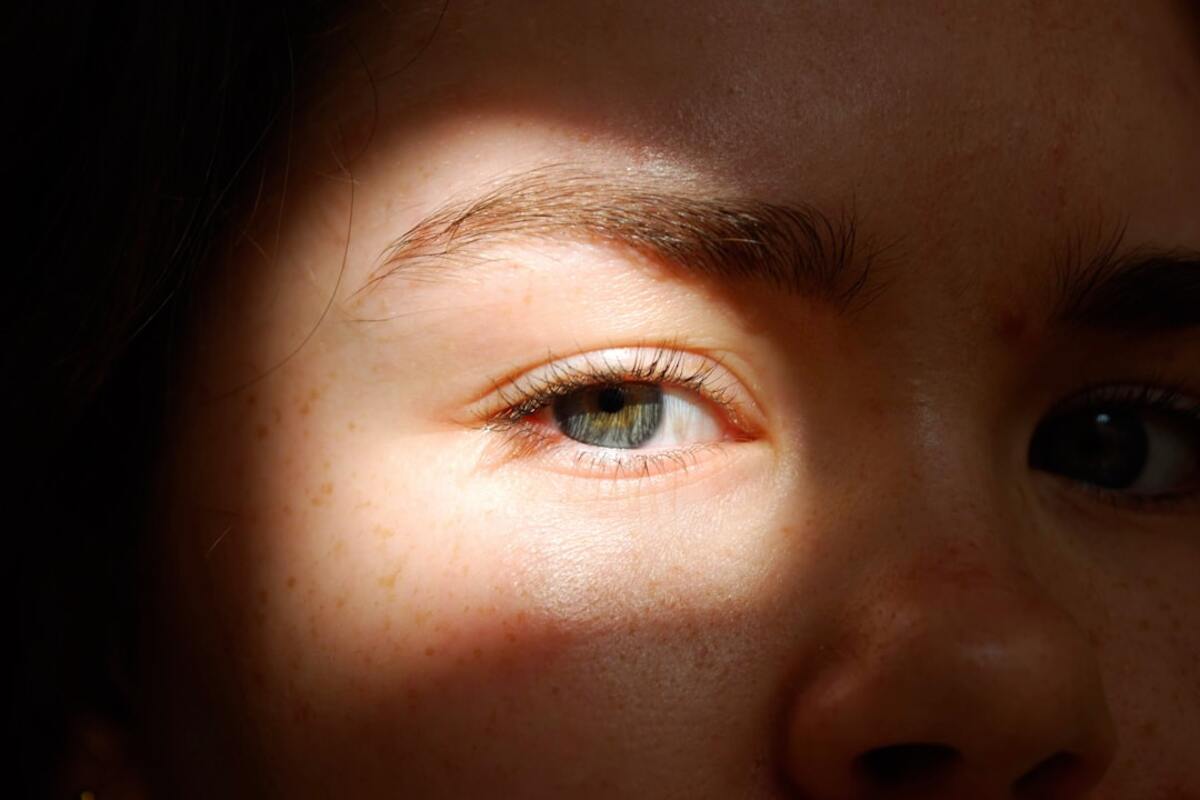
- A “smaller-looking” eye is usually puffiness or irritation, but a true droopy lid (ptosis) has its own clues.
- Quick self-checks—photos, mirror tests, and symptom timing—can help you describe it clearly and spot red flags.
- Seek urgent help if drooping comes with a new uneven pupil, double vision, severe headache, or facial weakness.
When an eye looks “smaller,” what’s actually changing?
It’s a strangely unsettling moment: you catch your reflection in the elevator mirror or open your phone’s front camera and one eye looks smaller than the other. Not dramatically—just enough that you keep checking. Friends might not even notice, but you do.
Most of the time, the eyeball itself isn’t shrinking. The “smaller” look usually comes from one of three things:
- The eyelid is lower (a true droop, often called ptosis).
- The eyelids are puffy (swelling makes the opening look narrower).
- You’re holding the eye differently because it’s irritated, dry, or sensitive to light (so you squint without realizing).
Think of your eye opening like a window. The “window” can look smaller if the top blind slides down (droopy lid), if the frame is swollen (puffiness), or if you’re half-closing it because the sun is in your face (irritation/squinting). The goal is to figure out which “window problem” you’re dealing with.

Common, everyday reasons one eye looks smaller
These are the usual suspects—annoying, noticeable, but often not dangerous. They also overlap, which is why it can feel confusing.
1) Morning puffiness (fluid + gravity)
If the difference is most obvious right after waking and improves during the day, swelling is high on the list. Lying flat lets fluid collect around the eyes. Salty dinner, alcohol, crying, allergies, or a restless night can make it more noticeable—sometimes on one side more than the other.
Real-life scenario: You slept on your left side with your face in the pillow. The left eyelid looks heavier and a bit creased differently until lunchtime.
2) Allergies and irritation
Seasonal allergies, dust, pet dander, or a new face product can make one eye itch. Rubbing can quickly cause swelling, redness, and a “smaller” opening. Even if both eyes are affected, you may rub one more than the other.
Clues: itching, watery eye, sneezing, stringy mucus, or symptoms that flare after being outside or cleaning.
3) Dry eye and screen strain (the “one-eye squint”)
When you stare at screens, you blink less. If one eye is slightly drier (contact lens fit, old injury, different tear production), you might squint that eye more. Dryness can also trigger a heavy-lid feeling.
Clues: burning, gritty feeling (“sand in the eye”), fluctuating blur that improves when you blink, worse late in the day.
4) A stye or clogged oil gland
A small tender bump on the lid margin can create localized swelling. Sometimes it’s obvious; sometimes it’s hidden under the lid, and you just notice the eye looks more closed.
Clues: tenderness, a pimple-like spot near lashes, swelling that feels focal rather than general puffiness.
5) Sinus congestion or a mild infection
Congestion can make the tissues around one eye look heavier, especially if one sinus side is more blocked. A cold can also make eyes watery and puffy.
Clues: stuffy nose, facial pressure, symptoms that track with a cold.
6) True eyelid droop (ptosis) from fatigue or “lid mechanics”
Sometimes the eyelid muscle or tendon is simply more relaxed on one side—especially when you’re tired. Makeup habits (pulling the lid), long-term contact lens use (repeated lid handling), or aging can make the lid sit lower.
Clues: the lid margin itself is lower (not just puffy), the crease may look higher or different, and it can fluctuate with fatigue.
7) After Botox or cosmetic procedures
If you’ve had Botox near the forehead or around the eyes, a small percentage of people notice a temporary eyelid droop on one side. It usually appears days after treatment, not immediately, and improves as the medication wears off.
8) A subtle difference that’s always been there (photos reveal it)
Many faces aren’t perfectly symmetrical. You might notice an asymmetry only after a new haircut, weight change, a different angle in selfies, or switching phone cameras (some lenses slightly distort facial proportions).
| What you notice | More likely | Extra clues |
|---|---|---|
| Worst in the morning, improves by afternoon | Puffiness/swelling | Salty foods, alcohol, crying, sleeping position |
| Itchy, watery, you want to rub it | Allergy/irritation | Sneezing, seasonal pattern, new skincare/makeup |
| Feels gritty/burny, worse after screens | Dry eye/squinting | Blur that changes with blinking |
| Tender bump on lid edge | Stye/chalazion | Localized swelling; may see a small “pimple” |
| Lid margin sits lower all day (not puffy) | Ptosis | Different eyelid crease; worsens with fatigue |
Easy self-checks that make this less mysterious (and help you explain it)
You don’t need medical tools to gather useful clues. The point isn’t to self-diagnose—it’s to understand patterns and spot signs that should be checked quickly.
1) Use your phone like a “timeline”
Take a clear photo in the same lighting from straight on:
- Once in the morning
- Once mid-day
- Once in the evening
If it changes a lot, swelling/irritation/fatigue is more likely than something structural. If it’s steadily worsening or suddenly appears and stays, it’s worth a more careful look.
2) Check for puffiness vs droop
Look at the upper lid skin and the lid margin (the line of lashes). Puffiness often makes the lid look thick or “pillowy,” sometimes with a slight shine. A droop is more about the lash line sitting lower over the iris.
3) The “forehead effort” test
Stand in front of a mirror and relax your eyebrows. Some people unconsciously raise one eyebrow to lift a droopy lid. If you gently place a finger across your forehead to stop brow-raising and the eyelid difference becomes more obvious, that suggests your forehead was compensating.
4) Check your pupils in even light
In a well-lit room, look at both pupils. They should be roughly the same size. A small difference can be normal for some people, but a new pupil size difference along with drooping is a reason to seek medical advice promptly.
5) Look for eye movement changes
Cover one eye, then the other, and look left/right/up/down. If you notice double vision, new difficulty moving one eye, or nausea with eye movement, that’s a red flag.
6) Quick lifestyle scan
- New skincare, lash serum, makeup, or eyelash glue?
- Recent crying, rubbing, or allergy exposure?
- Contact lenses worn longer than usual?
- Bad sleep, dehydration, extra alcohol, very salty meal?
- Recent Botox or cosmetic treatment?
These don’t “prove” a cause, but they often explain timing.
When it could matter more: red flags and “don’t-wait” combinations
Most uneven-eye moments are harmless. The reason people search this symptom, though, is that occasionally a droopy eyelid can be part of a bigger nerve or muscle issue. You don’t need to be alarmed—just know which combinations deserve faster attention.
Seek urgent medical care now (ER/urgent evaluation) if the smaller-looking eye comes with:
- Sudden drooping plus a severe headache (especially “worst headache” style), neck stiffness, confusion, or fainting
- Drooping plus new weakness/numbness on one side of the face or body, trouble speaking, or facial droop
- Drooping plus double vision that is new and persistent
- Drooping plus a new uneven pupil (one pupil clearly larger or smaller), especially with eye pain or headache
- Eye pain, bulging, or vision loss, or a curtain-like shadow over vision
- Recent head/eye injury followed by drooping, pupil change, or vision symptoms
Arrange a prompt (non-emergency) medical/eye check if:
- The droop is new and persistent for more than a day or two without an obvious irritation/swelling trigger
- You notice fatigable symptoms (the lid droops more as the day goes on, or chewing/talking feels tiring)
- The eyelid position is changing progressively over weeks
- You have repeated styes, significant lid redness, or crusting (possible chronic lid inflammation)
Yes. Mild facial asymmetry is common, and it can look more noticeable with certain lighting, angles, or when you’re tired. What matters more is a new change—especially if it appears suddenly or comes with pain, vision changes, or double vision.
Yes. Mild facial asymmetry is common, and it can look more noticeable with certain lighting, angles, or when you’re tired. What matters more is a new change—especially if it appears suddenly or comes with pain, vision changes, or double vision.
Stress can indirectly contribute: less sleep, more screen time, dehydration, and more rubbing from irritation can all make one eye look smaller. Stress itself isn’t usually a direct cause of true ptosis, but it can amplify the everyday triggers that change how your eyelids sit.
Stress can indirectly contribute: less sleep, more screen time, dehydration, and more rubbing from irritation can all make one eye look smaller. Stress itself isn’t usually a direct cause of true ptosis, but it can amplify the everyday triggers that change how your eyelids sit.
If you have no red flags, you can try simple, low-risk steps: a cool compress for puffiness, avoiding rubbing, taking breaks from screens, and switching to fragrance-free products if you suspect irritation. If there’s a tender lid bump, warm compresses are commonly used. Avoid using leftover antibiotic drops or steroid drops without guidance.
If you have no red flags, you can try simple, low-risk steps: a cool compress for puffiness, avoiding rubbing, taking breaks from screens, and switching to fragrance-free products if you suspect irritation. If there’s a tender lid bump, warm compresses are commonly used. Avoid using leftover antibiotic drops or steroid drops without guidance.
One practical way to think about this symptom is: Does it behave like swelling, irritation, or mechanics? Swelling tends to vary with time and touch; irritation tends to come with sensations (itching, burning, tearing); mechanics (ptosis) tends to look like the lid margin is simply lower and may worsen with fatigue. If you’re ever unsure—and especially if red-flag combinations show up—getting an eye/medical exam is the fastest way to turn a worrying mirror moment into a clear plan.