The “Daylight Sandwich” Habit: A Simple Way to Protect Your Sleep (and Mood) Year-Round
One tiny routine—getting outdoor light soon after waking and again before sunset—can stabilize your body clock, improve sleep, and boost daytime energy.
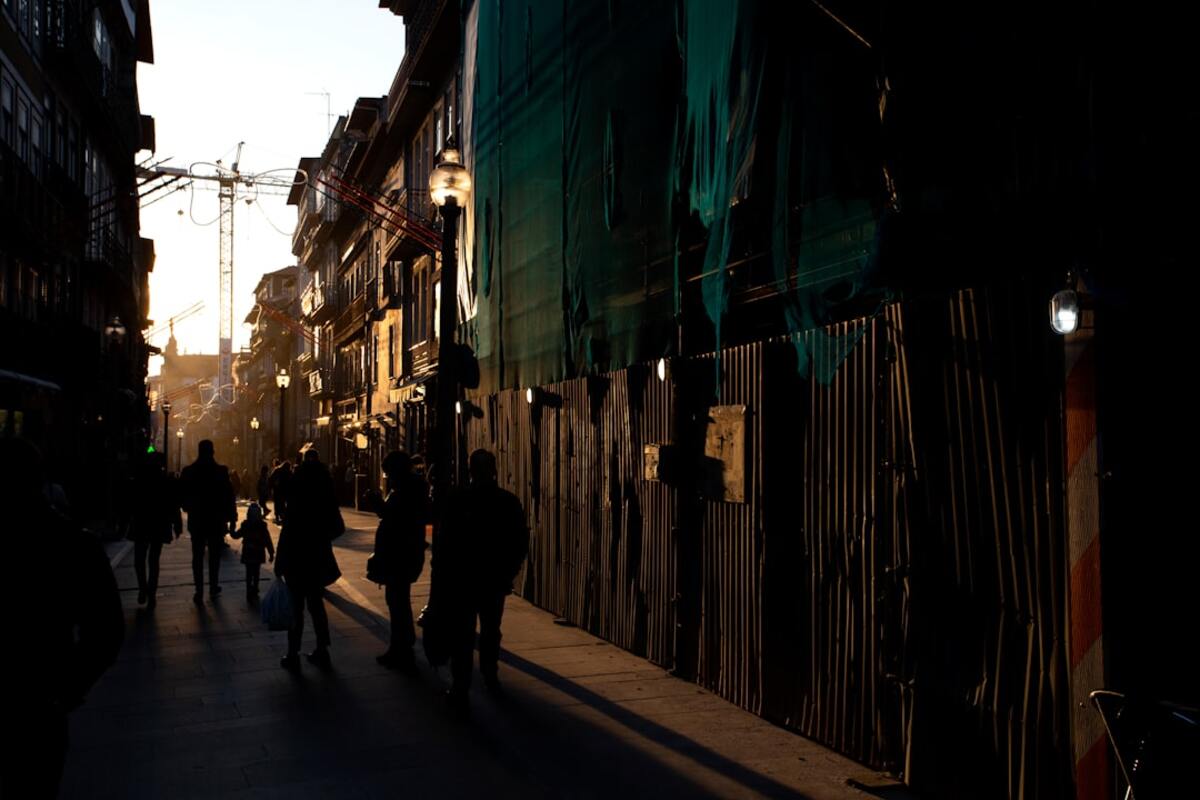
- Outdoor light within 1 hour of waking helps set your internal clock for earlier, easier sleep.
- A second dose of daylight in late afternoon/early evening can reduce “wired at night” feelings—especially for desk workers.
- You don’t need perfect weather or a long walk: 5–15 minutes outside often makes a noticeable difference.
Why a “daylight sandwich” works better than another sleep hack
If you’ve ever tried to “fix” your sleep with a new pillow, a magnesium supplement, or a strict bedtime only to find it falls apart a week later, you’re not alone. Sleep isn’t just about what happens at night. It’s also about what happens the moment you wake up—and even what happens hours before you go to bed.
Your body runs on an internal timing system (often called your body clock). It helps coordinate when you feel alert, when you feel sleepy, when your appetite kicks in, and even how your mood behaves across the day. The strongest daily cue for that system is light, especially natural outdoor light.
The “daylight sandwich” habit is simple: you aim for a quick dose of outdoor light soon after waking, and another dose later in the day (usually late afternoon to early evening). Think of your day as the filling—work, errands, family, meetings—bookended by light.
Here’s a real-life scenario: you wake up, check your phone in bed, then walk from your bedroom to your kitchen and start work at your laptop. Your eyes might not see truly bright light until lunchtime—if you even go outside then. At night, you’re under bright indoor lights and looking at screens. To your body clock, it can feel like the day started late and never really ended. That’s one reason some people feel groggy in the morning but wide awake at 11 p.m.
Outdoor daylight is dramatically brighter than typical indoor lighting. Even on an overcast day, being outside usually delivers far more light to your eyes than sitting near a window. That brightness helps your body clock “lock in” the start of your day, which can make it easier to feel sleepy at a reasonable hour later on.

How to do it in everyday life (even if you’re busy or live in a gray climate)
The goal is not perfection. The goal is a repeatable routine that works on normal days: commute days, work-from-home days, rainy days, and days when you oversleep.
Step 1: Morning light (the first slice of bread)
Try to get outside light within the first hour after waking. You don’t need a hike. You’re just giving your brain a “day has started” signal.
- Easy options: walk the dog, take out trash/recycling, grab coffee on the porch, stand on the balcony, walk to the mailbox, do a quick loop around the block.
- If you shower first: go outside right after. The timing is flexible—consistency matters more than the exact minute.
- If it’s cold or rainy: wear a coat and do 3–5 minutes. The point is exposure, not comfort.
Step 2: Late-day light (the second slice of bread)
In the late afternoon or early evening, a second brief outdoor light session can help your body clock stay anchored. This is especially helpful if you spend most of the day indoors under steady, medium-bright light.
- Easy options: a short walk after your last meeting, a “fake commute” stroll after closing your laptop, walking to pick up a kid, stepping outside while you take a phone call.
- Good timing rule: aim for the hour or two before sunset when possible, but any late-day outdoor light is better than none.
- Bonus: if you tend to snack or scroll at night, a late-day walk can become a natural “day’s ending” marker that reduces the urge to keep the day going.
To keep it practical, use this “minimum effective dose” mindset. If you can do more, great. If you can’t, do the smallest version that keeps the habit alive.
| Situation | Minimum version | Comfortable version |
|---|---|---|
| Work-from-home, dark mornings | Stand outside 3–5 minutes with a warm drink | 10–15 minute walk before first meeting |
| Office day, early commute | Walk a longer route from parking/transit | Eat breakfast outside or walk during first break |
| Rainy day | Quick loop around the building with a hood/umbrella | Walk during a lighter patch of rain, stay moving |
| Short winter days | Get outside at lunch if mornings are pitch-dark | Add a late-afternoon outdoor break before sunset |
A small but important detail: You don’t need to stare at the sun. Just be outdoors and let ambient daylight reach your eyes. If it’s bright, wear sunglasses if you need them for comfort and safety—though some people prefer taking the first few minutes without them if conditions are safe and comfortable. Always prioritize eye safety and local conditions.
What if you can’t go outside? If mobility, safety, schedule, or weather makes outdoor time hard, a very bright window can help, and bright indoor lighting can be better than dim lighting. But outdoor light is usually the easiest “big lever,” which is why the habit focuses there.
What changes you might notice—and common mistakes that make it feel like it “didn’t work”
People often expect a quick trick that knocks them out at night. Light habits tend to be more subtle but more reliable. You may notice benefits in a few days, but the biggest improvements usually show up after a couple of weeks of consistency.
Possible early wins:
- Less morning fog: you feel more “online” without needing quite as much caffeine.
- More predictable sleepiness: instead of feeling tired at 3 p.m. and wired at 10 p.m., your sleepiness shifts to a more useful time.
- Better mood stability: not constant happiness, but fewer jagged swings between sluggish and overstimulated.
- Fewer weekend sleep surprises: you don’t feel like you’re constantly recovering from the week.
Now for the reasons people try this and shrug, “didn’t do anything.” These are the usual culprits:
Mistake #1: Doing the morning light, then staying in cave-mode all day
The “sandwich” idea matters. Morning light helps set the clock, but late-day light helps keep the timing stable—especially if you work under the same indoor lighting all day.
Mistake #2: Getting light only through a window
Windows filter and reduce light intensity. A sunny window can still be helpful, but many people dramatically underestimate how much brighter it is outside. If you can safely step out, that’s the upgrade.
Mistake #3: Taking the late-day walk too late
A brisk outdoor walk at 9 or 10 p.m. can feel energizing and may push bedtime later for some people. If your goal is earlier sleep, keep the second daylight dose earlier—late afternoon to early evening.
Mistake #4: Expecting it to overpower chaotic nights
If your evenings involve bright overhead lights, intense gaming, doomscrolling, or work emails right up to bed, daytime light exposure can help—but it may not fully cancel out the “it’s still daytime” message your brain gets at night.
If you want a simple pairing without turning your life into a sleep lab, try this: keep the daylight sandwich, and at night switch the last hour before bed to softer lighting (a lamp instead of bright ceiling lights) and lower-stimulation activities (music, a shower, light reading). That combination often feels more powerful than either one alone.
Many people start with 5–15 minutes in the morning and 5–15 minutes later in the day. On bright days, shorter can still help. On very dark winter days, longer can be useful—but consistency beats “hero days.”
Many people start with 5–15 minutes in the morning and 5–15 minutes later in the day. On bright days, shorter can still help. On very dark winter days, longer can be useful—but consistency beats “hero days.”
If it’s truly dark, get outside when it first becomes light, or prioritize a strong outdoor light break at lunch. You can still keep the habit by stepping outside in the morning for fresh air, then doing your “real” light dose when daylight is available.
If it’s truly dark, get outside when it first becomes light, or prioritize a strong outdoor light break at lunch. You can still keep the habit by stepping outside in the morning for fresh air, then doing your “real” light dose when daylight is available.
Regular daylight exposure can support mood and energy for many people, especially when days are short. It’s not a replacement for professional care, but it’s a practical, low-cost habit that pairs well with other supports like movement, social time, and structured routines.
Regular daylight exposure can support mood and energy for many people, especially when days are short. It’s not a replacement for professional care, but it’s a practical, low-cost habit that pairs well with other supports like movement, social time, and structured routines.
If you like turning habits into something you can actually stick to, try attaching each slice of the sandwich to something you already do. For example: morning light happens right after you brush your teeth; late-day light happens right after you close your laptop. When it’s automatic, your body clock gets the steady signals it’s been asking for.